

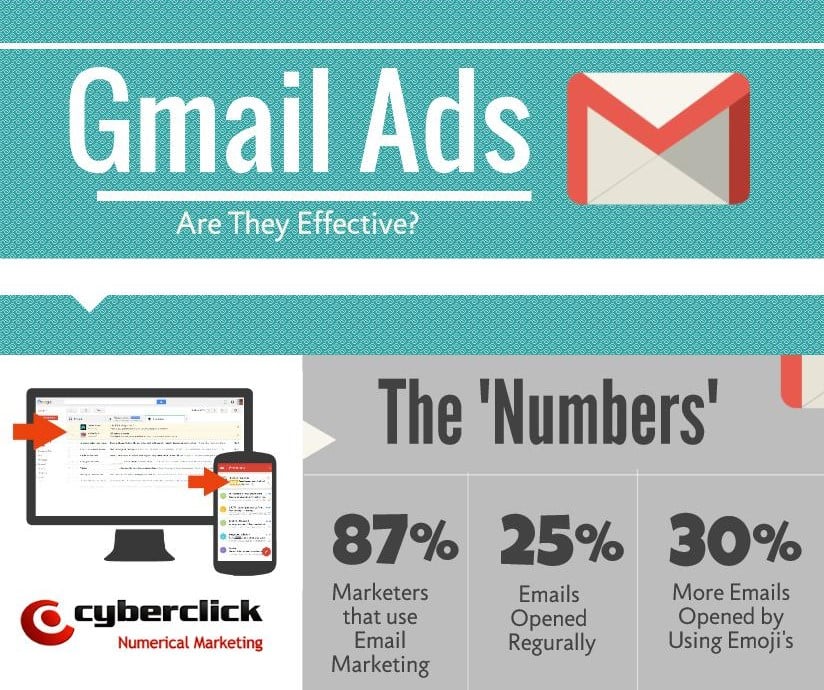
In the fast-paced digital world, reaching your marketing objectives can be challenging. However, email marketing continues to stand out as one of the most effective strategies for engaging with your audience, building relationships, and driving conversions. Among the myriad of email platforms available, Gmail holds a prominent position with over 1.8 billion active users worldwide. This extensive reach makes it a powerful tool for marketers aiming to maximize their impact.
Gmail offers more than just a platform to send and receive emails; it provides a suite of features and integrations that can significantly enhance your marketing efforts, including the ability to buy Gmail accounts. From crafting personalized email campaigns to leveraging advanced analytics, Gmail can help you achieve your marketing goals more efficiently and effectively. In this article, we will explore how Gmail, including purchased accounts, can be instrumental in reaching your marketing objectives, providing practical tips and strategies to harness its full potential. By understanding and utilizing Gmail’s capabilities, including purchased accounts, you can not only expand your audience reach but also improve engagement rates, drive higher conversions, and ultimately, achieve a greater return on investment for your marketing campaigns. Let’s dive into the various ways Gmail, including purchased accounts, can support your marketing endeavors and help you stay ahead in the competitive landscape.
Understanding Gmail’s Market Reach
Gmail, launched by Google in 2004, has grown to become one of the most popular email services worldwide. As of 2024, Gmail boasts over 1.8 billion active users, making it a dominant player in the email market. This extensive user base spans various demographics, providing marketers with a vast audience to target.
Gmail users come from diverse backgrounds, with significant representation across different age groups, professions, and regions. Notably:
- Age Groups: Gmail is popular among both younger users (18-34) and older users (35-54), making it a versatile platform for reaching different age demographics.
- Geographical Reach: While Gmail has a strong presence in the United States, its user base is truly global, with significant numbers in Europe, Asia, and Latin America.
- Professionals: Many businesses and professionals use Gmail for both personal and work-related communications, highlighting its importance in the professional sphere.
Understanding these demographic insights helps marketers tailor their campaigns to resonate with specific segments of the Gmail user base.
The extensive reach and diverse user base of Gmail present a unique opportunity for marketers. Here’s why:
- Wide Audience: With over 1.8 billion users, Gmail provides access to a broad audience, increasing the potential reach of your marketing campaigns.
- Engaged Users: Gmail users are typically highly engaged, using the platform daily for various purposes, including checking emails from brands and businesses.
- Trust and Credibility: Gmail’s association with Google lends it a level of trust and credibility, which can enhance the perceived reliability of your marketing emails.
By leveraging Gmail’s market reach, marketers can effectively target and engage with a diverse audience, maximizing the impact of their email marketing efforts. Whether you are aiming to increase brand awareness, drive website traffic, or boost sales, Gmail’s vast and varied user base can be a key asset in achieving your marketing objectives.
Leveraging Gmail’s Features to Reach Your Marketing Objectives
1. Personalization and Targeting
- Dynamic Content:Explore Gmail’s capabilities for creating personalized email content based on recipient demographics, behaviors, and preferences.
- Audience Segmentation:Discuss the importance of segmenting email lists to deliver targeted messaging to specific audience segments.
- Customization:Highlight Gmail’s features for customizing email templates, subject lines, and sender information to resonate with recipients.
2. Interactive Email Features
- AMP for Email:Explain how Gmail’s support for AMP (Accelerated Mobile Pages) allows marketers to create interactive and dynamic email experiences.
- Embedded Forms and Surveys:Showcase the effectiveness of embedding forms, surveys, and quizzes directly within Gmail emails to collect valuable feedback and data.
- Call-to-Action Buttons:Emphasize the impact of prominent and action-oriented call-to-action buttons in driving engagement and conversions.
3. Email Automation and Sequencing
- Email Scheduling:Discuss the benefits of scheduling emails to be sent at optimal times for maximum impact and engagement.
- Drip Campaigns:Explain how drip campaigns enable marketers to deliver a series of targeted emails over time to nurture leads and guide them through the sales funnel.
- Autoresponders:Highlight the role of autoresponders in delivering timely and relevant messages in response to specific actions or triggers.
4. Analytics and Performance Tracking
- Open and Click-through Rates:Showcase how Gmail’s built-in analytics tools provide insights into email open rates, click-through rates, and other key performance indicators.
- Conversion Tracking:Discuss the importance of tracking conversions and attributing them to email campaigns to measure ROI and effectiveness.
- Behavioral Insights:Explore how analyzing recipient behavior and engagement patterns can inform future email marketing strategies and content optimization efforts.
Feel free to expand on these points or add additional subtopics as needed to delve deeper into leveraging Gmail’s features for marketing objectives.
Conclusion
Gmail offers a robust set of features and capabilities that empower marketers to effectively reach their objectives. From personalized targeting and interactive email content to automation and comprehensive analytics, Gmail provides the tools needed to create engaging campaigns, nurture leads, and drive conversions. By leveraging these features strategically and adhering to best practices, businesses can maximize the impact of their email marketing efforts, strengthen customer relationships, and ultimately achieve their marketing goals. Embracing Gmail as a central component of their marketing strategy enables businesses to stay ahead in today’s competitive digital landscape.
